Sustainability commitment
Striving to expand our reach while minimising our footprint
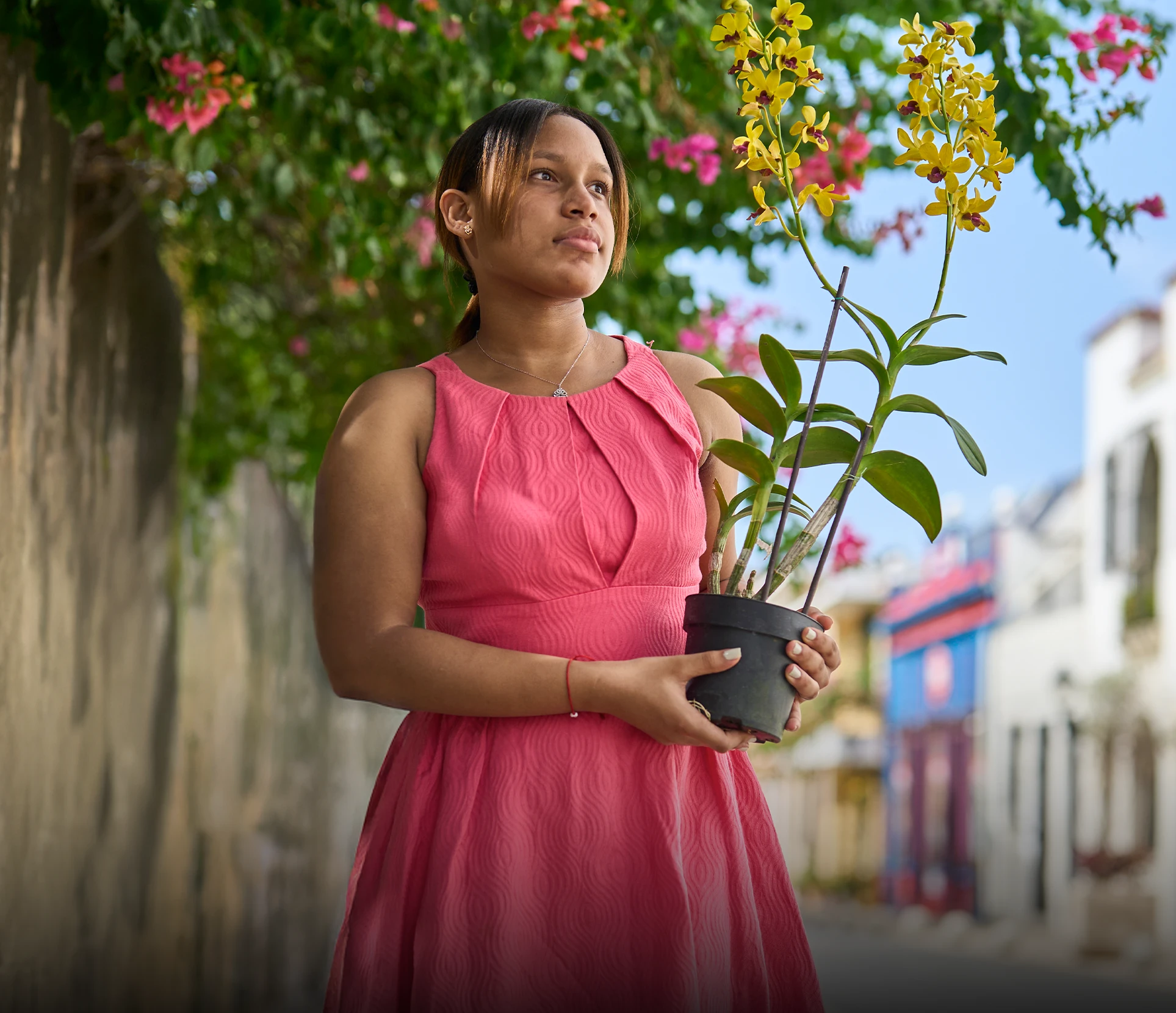
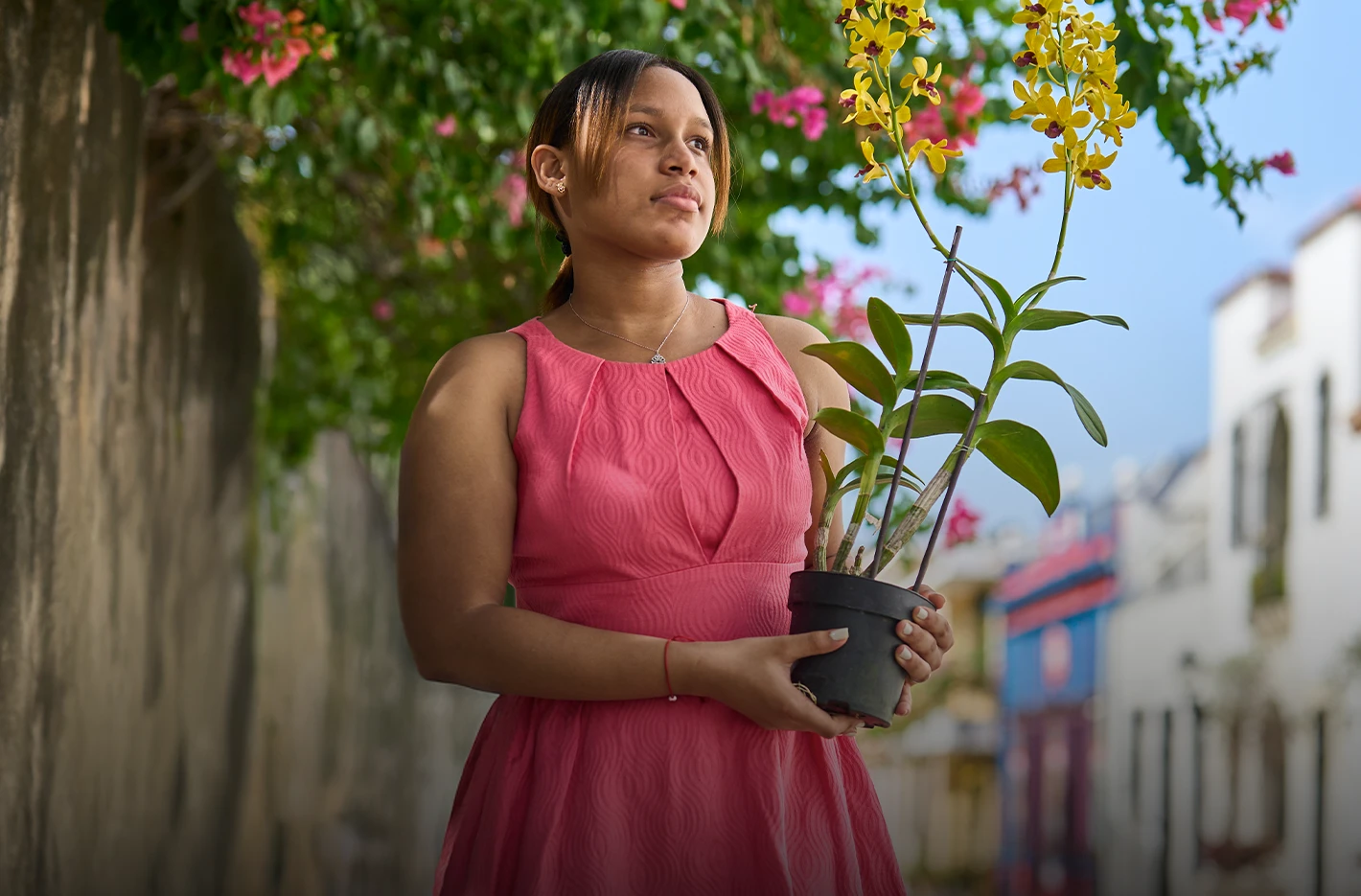
Charlenys Puello lives with type 1 diabetes in the Dominican Republic.
As climate change, widening health inequities, and the growing burden of serious chronic diseases converge, they pose unprecedented threats to human and planetary health. We aim to extend the reach and societal benefit of our medicines and prevention efforts while striving to reduce our environmental impact – transforming growth into meaningful health outcomes that strengthen communities and protect our planet.
In 2025, our medicines reached 45.6 million people worldwide – a testament to our expanding therapeutic footprint. Alongside this broad reach, our diabetes access programmes supported 7.1 million vulnerable patients; a decline from 2024 levels primarily driven by lower insulin tender sales due to portfolio consolidation. This underscores the complex balance we must strike between sustainable growth and ensuring continuity of care for those who need us most – a challenge that has prompted renewed efforts to restore and strengthen our reach.
Central to this mission is strengthening access where millions lack essential treatments. Prevention and early access set the course for a healthier life, but as serious chronic diseases rise worldwide, strained healthcare systems face increasing pressure. Our response combines targeted partnerships with systematic affordability initiatives. In the US, we provide assistance for people with or without insurance and have reduced monthly costs for self‑pay patients. In other parts of the world, our Changing Diabetes® in Children programme supports children under 25 with type 1 diabetes in low- and middle-income countries, while our Access to Insulin Commitment guarantees low-priced human insulin for the least developed countries and humanitarian settings.
Recognising that treatment alone will not bend the obesity curve, we go beyond medicine, addressing the root causes of this chronic disease. By focusing on reaching people where they live, learn and play, our Cities for Better Health programme – now active in 54 cities worldwide – partners with communities to reduce risk of obesity and type 2 diabetes through targeted interventions addressing the social determinants of health.
"We go beyond medicine, addressing the root causes of this chronic disease"
Sustaining our growth and impact requires both expanded reach and financial discipline. We simplified our organisation in 2025 to address complexities that emerged during hyper-growth while reducing costs to ensure long-term sustainability. To enable faster decisions, sharper execution and improved efficiency, we made the difficult decision to reduce approximately 9,000 positions globally. From 2026, these changes will deliver around DKK 8 billion in annualised savings, which we will reinvest in obesity and diabetes growth opportunities.
Our commitment to sustainable growth extends beyond organisational efficiency to environmental accountability. Our environmental performance demands urgent action. While scaling production to serve unprecedented patient demand, our emissions have increased – a trajectory that challenges our sustainability ambitions. We are working to implement initiatives across emissions, nature and plastics to reverse this trend through partnerships and systematic transformation.
Building on this foundation of access, prevention and environmental responsibility, we will align our organisation to deliver health impact at scale whilst confronting environmental challenges with urgency. We will strengthen partnerships with health systems, expand programmes to reach those who need our medicines the most and build supply chains that serve people and the planet – ensuring our innovations deliver lasting value for the communities we serve and the world we share.